Simcoe County
Simcoe County septic questions often come down to sandy and clay soils around Lake Simcoe and Georgian Bay. Typical work here includes pumping, inspections, leaching bed repair and replacement.
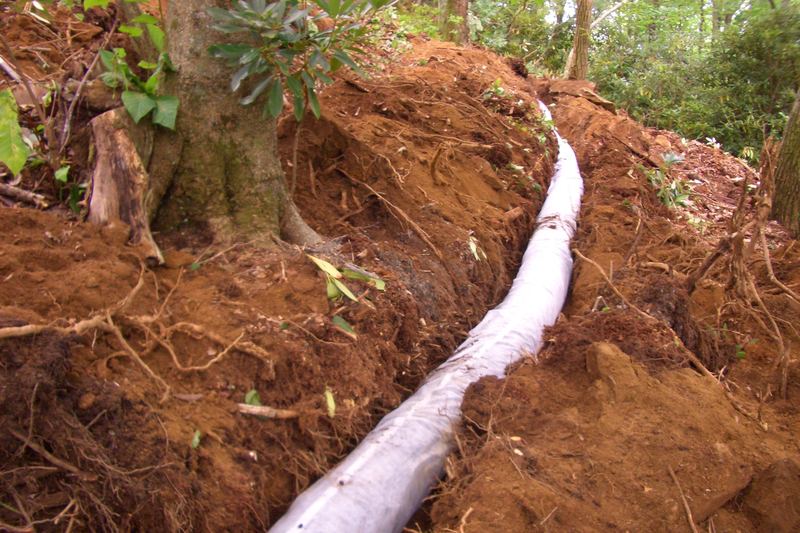

Soils and ground conditions in Simcoe County
Simcoe County ranges from sandy soils near Georgian Bay to clays and glacial till around Lake Simcoe.
Many rural and shoreline homes rely on septic systems, and Ontario’s Lake Simcoe Protection Plan focuses on reducing phosphorus reaching the lake.
Climate and what it means for a septic system
Snowbelt winters, spring melt and summer storms affect groundwater.
A tank only works as well as the leaching bed after it: saturated, compacted or root-filled ground is the most common reason for slow drains, odours and wet patches, so the soil and the water table are checked as well as the tank.
Local approvals and rules
Depending on the municipality, Part 8 permits come from the local building department or the health unit, so check with your township first.
Part 8 of the Ontario Building Code governs on-site sewage systems with design flows up to 10,000 litres per day. Depending on the municipality, permits come from the local building department, the health unit or a conservation authority, and designers and installers need the qualifications the Code requires.
Typical septic work in Simcoe County
Pumping, inspections, leaching bed repair and replacement. Every property is different, so the system is located, opened and inspected on site before any repair is recommended or quoted.
Know where your tank, lids and leaching bed are, keep vehicles and structures off them, and have any service records ready before the visit.
Ontario Septic Pro in Simcoe County
We take septic enquiries from Simcoe County and surrounding areas around the clock. Tell us the address, when the tank was last pumped and what is happening, and we will arrange a visit.